
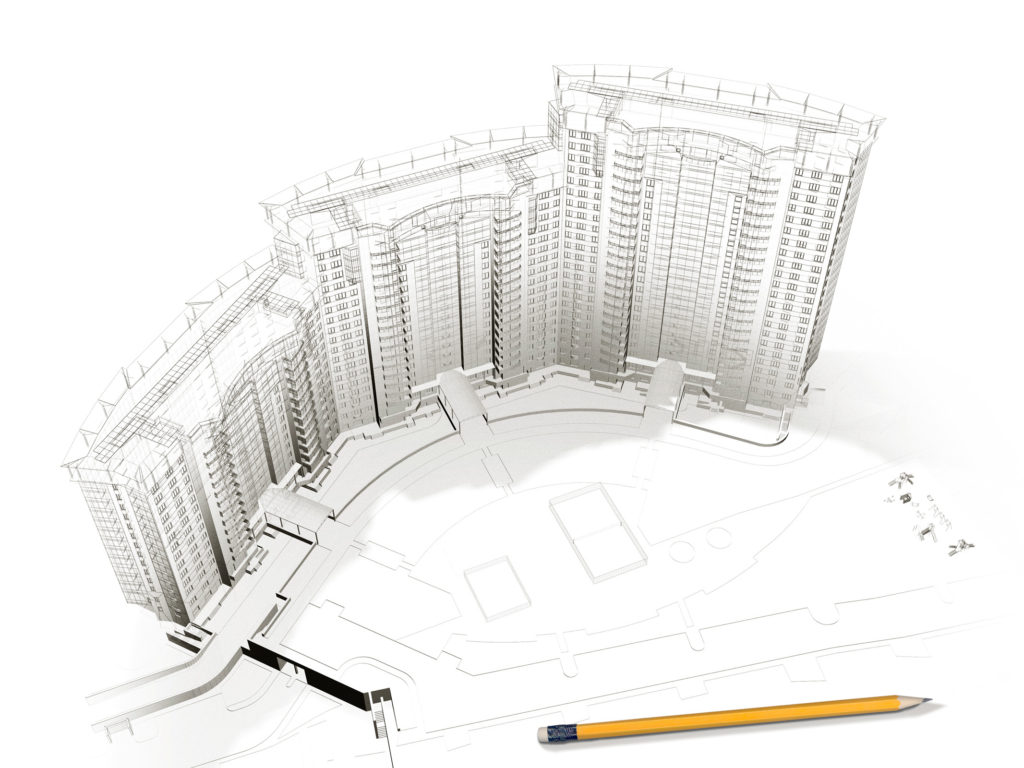
The construction industry is undergoing rapid transformation, driven by the demand for faster delivery, reduced costs, and sustainable building practices. At the center of this digital shift is Building Information Modeling (BIM)—a process that goes far beyond 3D modeling to provide an intelligent digital representation of a building’s physical and functional characteristics.
As BIM has evolved into Levels 3–6, integrating time (4D), cost (5D), and sustainability (6D) analytics, the benefits of BIM have multiplied, making it indispensable for architects, engineers, contractors, and owners seeking efficiency in an increasingly complex construction landscape.
This article breaks down the latest, research-backed benefits of BIM that are reshaping the construction industry in 2026 and beyond.
What Is BIM and Why Does It Matter Today?
BIM enables stakeholders to visualize, analyze, coordinate, and optimize a project before construction begins. With this digital-first approach, teams identify potential issues early, make informed decisions, and maintain control over quality, costs, and lifecycle performance.
Modern BIM integrates:
- 3D modeling (design intent)
- 4D scheduling (construction sequencing)
- 5D cost estimation (real-time financial tracking)
- 6D sustainability modeling (energy, carbon, lifecycle performance)
- Digital twins (real-time asset monitoring post-construction)
Given these capabilities, it’s no surprise that governments worldwide now mandate BIM for major projects and that global BIM adoption has surged across buildings, infrastructure, industrial, oil & gas, water, and utilities sectors.
Key Benefits of BIM to the Construction Industry
Below are the most impactful, industry-verified benefits of BIM in 2026:
1. Significant Cost Savings
Cost control has always been a challenge in construction, but BIM dramatically improves budget accuracy.
How BIM achieves this:
- Accurate material take-offs generated directly from models
- Real-time cost tracking to monitor deviations early
- Reduced waste through precise procurement
- Clash detection prevents costly rework during construction
Latest industry data:
- BIM reduces final construction costs by up to 5% through improved accuracy.
- Large-scale international projects have seen 52.36% cost reduction due to early clash detection and proactive issue resolution.
- Outsourcing BIM services can eliminate thousands of unnecessary design hours, lowering design cost by up to 30–40% and reducing rework.
With such gains, cost-efficient digital construction is no longer aspirational—it’s expected.
2. Faster Project Delivery
One of the most celebrated benefits of BIM is accelerated timelines. Modern BIM models incorporate sequencing (4D), allowing teams to visualize construction activities, dependencies, and risks.
Efficiency Outcomes with BIM (2025–2026):
- Up to 50% reduction in construction time through optimized scheduling
- 40–50% fewer RFIs due to clearer documentation
- Faster decision-making through real-time coordination
- Early problem detection reduces downtime on-site
Cloud-based BIM tools also support parallel workflows, allowing teams across the globe to work simultaneously—significantly shortening project cycles.
3. Improved Collaboration Across All Disciplines
Construction projects thrive when communication is seamless. BIM acts as the single source of truth, allowing architects, engineers, contractors, clients, and operators to collaborate inside one shared dataset.
How BIM boosts collaboration:
- Federated models ensure everyone works with updated information
- IFC standards enable smooth data exchange across platforms
- Cloud CDEs (Common Data Environments) support real-time teamwork
- Easy sharing of 3D, 4D, and 5D insights eliminates misunderstandings
Outcomes include fewer change orders, improved model reliability, and smoother project handovers to facility management teams.
4. Enhanced Design Quality and Fewer Errors
BIM’s ability to simulate projects before construction is one of its biggest strengths. Designing in a virtual environment enhances accuracy and reduces surprises later.
Design quality improvements include:
- Automatic detection of clashes (structural, MEP, architectural)
- Visualization of building performance and intent
- Ability to run design iterations quickly
- Higher quality construction documents with fewer omissions
This contributes directly to reduced rework, improved safety, and satisfied clients.
5. Sustainability and Environmental Performance
Today’s construction projects must meet sustainability goals, and BIM plays a crucial role in achieving them. With 6D BIM, environmental and energy analysis is embedded right from the conceptual stage.
Sustainability benefits of BIM:
- Energy simulation to optimize HVAC, daylighting, and building envelope
- Carbon footprint calculation and material selection guidance
- Reduced material waste through optimized procurement
- Lifecycle modeling for renovations and maintenance planning
Given rising regulatory pressure, BIM ensures that buildings are designed not only to function efficiently but also to operate sustainably over their entire lifespan.
6. Greater On-site Safety
Safety planning is one of the lesser-discussed but powerful benefits of BIM. Using BIM-integrated 4D models, teams can identify hazardous sequences before they occur.
Safety enhancements include:
- Visualization of site logistics and restricted zones
- Simulation of crane operations, equipment movement, and site flow
- Identification of high-risk areas before mobilization
- Improved coordination minimizes accidents caused by miscommunication
Digital rehearsals significantly reduce incidents and improve compliance with safety standards.
7. Better Facility Management and Lifecycle Value
One of the long-term benefits of BIM is its ability to support post-construction activities. Owners now expect BIM models as deliverables.
BIM supports operations through:
- Asset tagging and digital twins
- Maintenance scheduling
- Condition monitoring
- Space optimization
- Renovation planning
Over 70% of O&M (Operations & Maintenance) costs occur during the lifecycle—not design. BIM ensures those decisions are data-driven and cost-effective.
8. Stronger Client Relationships and Business Growth
Clients appreciate clarity, predictability, and transparency—which BIM delivers effortlessly.
BIM helps firms:
- Present projects clearly with 3D visualization
- Demonstrate schedule and cost accuracy
- Offer value-added services (e.g., digital twins, energy modeling)
- Improve win rates in bidding processes
Firms adopting BIM early gain a competitive advantage, especially in regions with active BIM mandates.
9. New Opportunities for Innovation
The rise of AI, IoT, modular construction, and robotics integrations with BIM unlocks entirely new workflows:
- Generative design
- Automated quantity extraction
- Predictive maintenance
- Robotic construction with BIM-guided layouts
- AI-based clash prediction
- Sensor-based performance monitoring
BIM is no longer just a modeling tool—it’s a gateway to advanced digital construction.
Ready to unlock the full benefits of BIM for your next project? ReviCAD Solutions helps AEC teams implement BIM the right way—through accurate modeling, seamless coordination, and lifecycle-ready digital workflows.
Schedule a call with our BIM experts today and discover how we can accelerate your project delivery with precision and confidence.